Everyone has a sibling story
The relationship that starts at the kitchen table and follows us for the rest of our lives.
We're Avishag, Hamutal and Neta Pat, three sisters who study and speak about the bond between adult siblings. Our talks blend research with stories from our own family, and they're built for real conversation. Expect the laughter of recognition, a few uncomfortable truths, and ideas people take home that same night.
And yes, we'll finally settle who got the bigger bedroom.
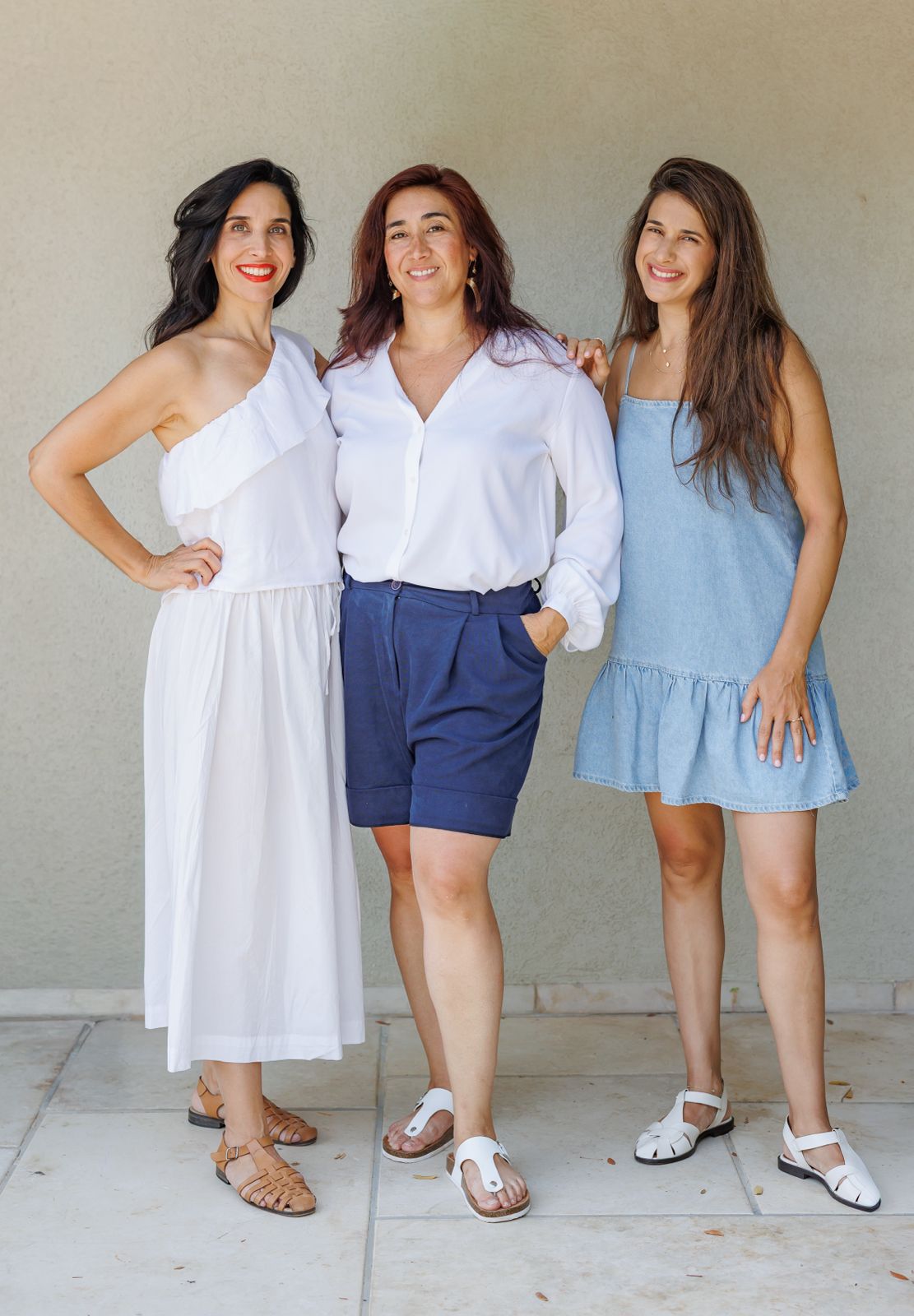
Avishag · Hamutal · Neta
Who started it? Still under investigation.
Which conversation fits your audience?
Pick a topic and we'll tailor it to your event.
Sibling Rivalry Goes to Work
How the roles we learned at the kitchen table follow us into the conference room.
Before you ever had a manager, you had an older brother. Or a little sister who got away with everything.
Someone else gets credit for your idea. A coworker lands the promotion. Your boss corrects you in front of the whole team. How you react in those moments isn't new. You've been rehearsing it since you were six, with your siblings as the cast.
We share stories from our own family, bring in what researchers have learned about siblings, and connect the dots to everyday life at work. Every firstborn in the room will feel seen. So will the middle kids.
What we'll cover
The part you were cast in
The responsible one, the peacemaker, the one who handles everything alone. Most of us are still playing that role at work, whether it fits or not.
Credit, comparison and envy
Why it can be so hard to cheer for a coworker, and what that has to do with the comparisons we grew up with.
A bonus for parents
What our kids learn from how we step in, or don't, when they fight.
Your audience walks away with
Your team will see where their reactions at work really come from, and start recognizing the same patterns in each other.
The Sibling Health Connection
Why your brothers and sisters may matter to your health as much as your genes do.
We like to credit good genes for a long, healthy life. The bigger question is what we do with the people who share those genes.
Most of us know our parents' medical history by heart. Far fewer of us know what's going on with our siblings, even though they're the closest genetic match we have.
This talk looks at the sibling relationship as a health resource. Physically, because what happens to a brother or sister can be an early warning for us. Emotionally, because people who feel close to their siblings tend to do better over a lifetime.
What we'll cover
Shared genes, shared information
A sibling's diagnosis or test result is information about you too. Sometimes it's what makes early detection possible.
Genes don't make phone calls
Sharing a diagnosis or asking for help takes a relationship that's already there. You can't build it the day the news comes in.
Closeness and well-being
Research links close sibling ties to better mental health and a stronger sense of belonging throughout life.
Your audience walks away with
A few questions worth asking your siblings about their health, and a good excuse to call them this week.
Same Parents, Different Plans
How adult siblings can share the care of aging parents without reopening old wounds.
It takes one phone call about Mom or Dad, and suddenly everyone is back in their childhood role. Thirty years later.
Who takes Dad to his appointments. Who talks to the home aide. Who pays for what. Who lives three states away and calls on Sundays. Caring for aging parents forces siblings to make big decisions together, and that's often when old resentments come back to the surface.
We talk about what happens between brothers and sisters during this season of life, how to start the conversation about dividing the load, and how to keep talking when you don't agree.
What we'll cover
Who does what
How to talk about splitting care and costs, even when everyone knows it won't be split evenly.
Old roles, new stakes
The responsible one, the one who disappears, the one with opinions about everything. How to notice when you've slipped back into yours.
The conversations everyone avoids
Care, money, where Mom and Dad will live. How to bring up the topics no one wants to raise first.
Your audience walks away with
A clear way to open the next family conversation about your parents, and the traps to avoid once you do.
The Bond We Leave Behind
For parents of grown children: how our kids relate to each other, and how we relate to our own siblings.
Your kids may be fifty, but you're still their parent. And you're still somebody's brother or sister.
The relationship between our children took shape over many years, through what we said, what we compared, and the role each child played at home. Even now that they're adults, we still have a hand in it. Meanwhile, our own siblings are the only people left who remember the house we grew up in.
This talk is about both relationships: what gets handed down from one generation to the next, what can still change, and the conversations it isn't too late to have.
What we'll cover
Between our grown children
How childhood comparisons and family roles keep echoing, even after our kids have kids of their own.
The ones who remember
What makes the bond with the people who grew up in the same house unlike any other.
It's not too late
On distance, on repair, and on conversations that can still begin.
Your audience walks away with
One conversation you can start this week, with your children or with your siblings.
From Siblings to Aunts and Uncles
Staying close to your brothers and sisters during the busy years of raising kids.
The day your first child was born, your siblings became aunts and uncles. You didn't stop being their brother or sister.
Little kids change everything, including how we relate to our siblings. There's no time. The cousins get compared, the households get compared, and somebody has to share the grandparents. And all the while, our kids are watching how grown siblings treat each other.
We talk about what we carried from our own childhood into our parenting, and how to keep the sibling bond alive in the years when there's no time for anything.
What we'll cover
What we brought from home
How the role you had among your siblings shapes the way you react to your own kids.
Cousins, in-laws and holidays
What shifts when everyone has a family of their own, and how to keep making room for each other.
The kids are watching
Children learn what it means to be a sibling partly by watching us with our own brothers and sisters.
Your audience walks away with
A simple, realistic way to stay close to your siblings, even in the busiest years.
It all starts with your event
- 1
A quick call
Tell us about your audience, the occasion, and what you'd like people to take away.
- 2
We tailor it
Together we choose the topic and format, and we adapt our examples to your people.
- 3
The talk
Stories from our family, what the research shows, and plenty of time for Q&A.
Book a talk
Tell us about your event
Send us a few details and we'll follow up with ideas, formats and availability. We're based in Israel, about seven hours ahead of the East Coast, so please allow for the time difference.